
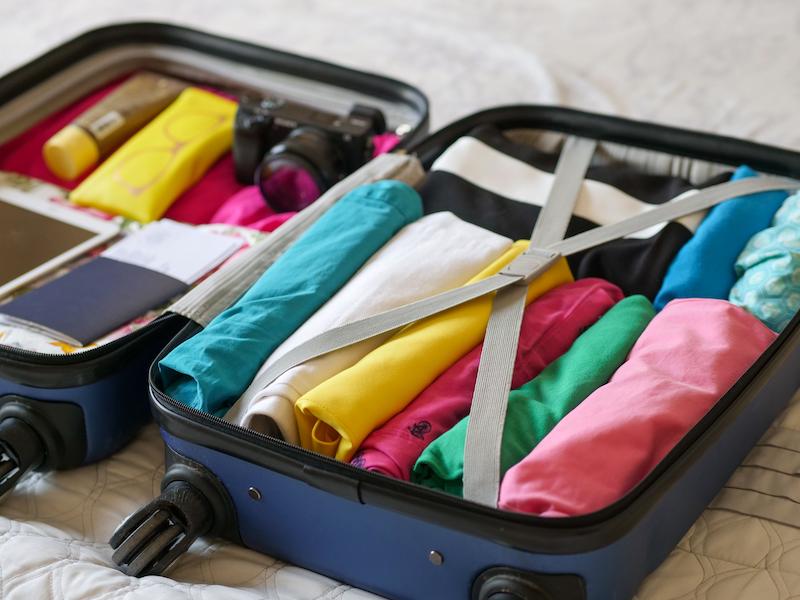
Packing for an overseas trip takes more planning than a regular holiday. You need the right travel documents, suitable clothes, essential medicines, electronic accessories and items that meet airline baggage rules. Missing even one important item, such as a visa document or travel adapter, can create problems during your journey.
This packing list international travel guide covers what to pack, what to keep in your cabin bag, how many clothes you need and which items you should leave at home. Use it as an international travel checklist before closing your suitcase.
Table of Contents
Complete Packing List International Travel: Quick Checklist
If you want to pack without going through a long list, start with these essentials. You can use this international trip packing list to check the main items before arranging everything in your luggage.
| Category | Items to Pack |
| Travel documents | Passport, visa, flight tickets, travel insurance |
| Money | Cash, debit card, credit card, forex card |
| Clothing | Tops, trousers, underwear, socks, sleepwear |
| Footwear | Walking shoes, sandals, destination-specific footwear |
| Toiletries | Toothbrush, toothpaste, shampoo, soap, skincare |
| Medicines | Prescription medicines, basic first-aid supplies |
| Electronics | Phone, charger, power bank, travel adapter |
| Travel accessories | Luggage locks, neck pillow, eye mask, reusable water bottle |
| Personal essentials | Glasses, contact lenses, sanitary products |
Keep this checklist handy while packing. The exact items will depend on your destination, trip duration, weather and planned activities.
Travel Documents You Must Carry
Travel documents should be packed before clothes or accessories. Some documents are difficult to replace while travelling abroad, so keep them organised and accessible.
A complete packing list international travel should always start with your travel documents. Check your passport validity, visa requirements and flight bookings before packing other essentials.
Carry these documents:
- Passport: Check its expiry date and confirm that it meets your destination’s passport validity requirements.
- Visa: Carry the required visa, e-visa approval or entry permit, depending on your destination.
- Flight tickets: Save your booking confirmation and boarding passes on your phone.
- Hotel reservations: Keep accommodation details and booking confirmations.
- Travel insurance: Carry your policy details and emergency contact information.
- Identity documents: Keep an additional government-issued ID if needed.
- International driving permit: Carry one if you plan to drive abroad and your destination requires it.
- Important contact details: Save your embassy, accommodation and emergency contacts.
If you are travelling from India, check the destination’s entry requirements and any applicable Indian customs rules before departure.
Keep your passport, visa and other important papers in a separate travel document organiser. Store digital copies securely as a backup, but do not rely on digital copies when original documents are required.
Clothes and Footwear for an International Trip
Your clothing choices should depend on the weather, local culture, activities and length of your trip. Packing too many outfits can make your luggage heavy, while packing too few can leave you spending time and money on laundry.
For a seven-day trip, the following quantities are a useful starting point:
| Clothing Item | Suggested Quantity |
| T-shirts or tops | 5–7 |
| Trousers or jeans | 2–3 |
| Shirts or dresses | 2–3 |
| Underwear | 7–8 |
| Socks | 5–7 pairs |
| Sleepwear | 1–2 sets |
| Comfortable walking shoes | 1 pair |
| Sandals or casual footwear | 1 pair |
| Jacket or sweater | 1–2 |
| Extra outfit | 1 |
Adjust these quantities according to your itinerary. A winter destination may require thermal wear, gloves, scarves and heavier jackets. For a beach holiday, pack swimwear, light clothing, sunglasses and suitable footwear.
Choose clothes that you can mix and match. Neutral colours and comfortable outfits are easier to reuse than packing a separate combination for every day.
Also consider local dress expectations, especially when visiting religious places or conservative areas. A lightweight scarf or modest clothing can be useful in such situations.
Toiletries and Personal Care Items
Pack your everyday toiletries in a waterproof pouch to prevent leaks inside your suitcase. You do not need to carry full-size bottles if travel-size products are available at your destination.
Your international travel packing checklist should include:
- Toothbrush and toothpaste
- Shampoo and conditioner
- Face wash and moisturiser
- Sunscreen
- Deodorant
- Hairbrush or comb
- Razor and shaving products
- Lip balm
- Hand sanitiser
- Wet wipes and tissues
- Sanitary products
- Basic skincare products
For cabin baggage, liquids, gels and creams are generally subject to airport security restrictions. Many airports follow the 100 ml per-container rule, with containers placed in a transparent, resealable bag. However, rules can vary by airport and country, so check the requirements for your departure and transit airports.
Pack larger toiletries in checked baggage if permitted. Seal liquid bottles in separate plastic pouches to avoid spills.
Medicines and Health Essentials
Carry the medicines you regularly need, along with a few basic first-aid items. Finding a particular medicine abroad may be difficult, and some medicines that are commonly available in India may be restricted in other countries.
Consider packing:
- Regular prescription medicines
- Prescriptions or a doctor’s note
- Basic pain relief medicine
- Motion sickness medicine, if needed
- Bandages and antiseptic wipes
- Thermometer
- ORS sachets
- Personal medical supplies
- Any necessary glasses or contact lenses
Keep essential medicines in your cabin bag rather than placing everything in checked luggage. Use their original packaging and carry supporting documents for prescription medicines.
Before travelling, check whether your destination restricts any medicine you plan to carry. This is particularly important for controlled medicines and certain sleeping, pain-relief or anxiety medications.
Electronics and Travel Accessories
Electronic devices are important for communication, navigation, entertainment and managing bookings during an overseas trip. Make sure your devices are charged before leaving home.
Add these items to your suitcase:
- Smartphone and charger
- Laptop or tablet, if required
- Universal travel adapter
- Charging cables
- Power bank
- Earphones or headphones
- Camera and accessories
- Memory cards
- Smartwatch charger
- E-reader, if needed
Check the plug type and voltage compatibility at your destination before travelling. A universal adapter can be useful when visiting countries with different socket types.
Power banks and spare lithium batteries generally need to be carried in cabin baggage, subject to airline capacity and quantity restrictions. Do not pack them in checked luggage unless your airline specifically permits it.
You may also find a luggage tag, packing cubes, neck pillow, eye mask and reusable water bottle useful during a long journey.
What to Pack in Cabin Baggage vs Checked Luggage
When preparing your packing list international travel, decide which items need to stay with you during the flight and which can go into checked baggage. This helps you keep important belongings accessible and avoid problems at airport security.
Your cabin bag should contain the things you may need during the flight or in case your checked baggage is delayed.
| Cabin Baggage | Checked Luggage |
| Passport and travel documents | Extra clothes |
| Wallet and payment cards | Shoes and sandals |
| Phone and charger | Full-size toiletries, where permitted |
| Essential medicines | Non-essential personal items |
| Laptop and valuables | Extra accessories |
| Power bank and spare batteries | Permitted larger items |
| One change of clothes | Additional footwear |
Keep valuable electronics, important documents and essential medicines with you. Avoid placing jewellery, cash or irreplaceable belongings in checked luggage.
Before packing, check your airline’s cabin and checked baggage weight limits, size restrictions and prohibited-item list. These rules can differ between airlines and routes.
Things to Pack According to Your Destination
A packing list should not be the same for every country. Weather, local customs, activities and available facilities can change what you need to carry.
For cold destinations: Pack thermal innerwear, warm jackets, gloves, woollen socks, scarves and weather-appropriate shoes.
For beach destinations: Carry swimwear, sunscreen, sunglasses, a hat, flip-flops and a lightweight beach bag.
For rainy destinations: Pack a compact umbrella, waterproof jacket, quick-dry clothing and water-resistant footwear.
For business trips: Include formal outfits, comfortable office shoes, a laptop, chargers and any documents required for meetings.
For adventure trips: Pack activity-specific clothing, suitable footwear, a small first-aid kit and any equipment required for your planned activities.
Check the weather forecast shortly before departure. This helps you avoid carrying unnecessary clothing and accessories.
How to Avoid Overpacking for International Travel
Overpacking makes travelling between airports, hotels and tourist attractions more difficult. You can reduce your luggage without leaving behind important items by following a few simple rules.
- Plan outfits before putting clothes in your suitcase.
- Choose clothes that can be worn in different combinations.
- Pack according to the number of days rather than carrying extra outfits for every possibility.
- Use packing cubes to organise clothing and save space.
- Carry travel-size toiletries instead of full-size bottles.
- Wear your heaviest shoes and jacket during the flight.
- Check whether your hotel provides towels, hairdryers and basic toiletries.
- Leave some luggage space for shopping and souvenirs.
A practical foreign travel packing list should cover your actual needs, not every item you might possibly use. If something is easily available at your destination, you may not need to carry it from home.
Final Checklist Before Leaving for the Airport
Once your suitcase is packed, take a few minutes to check the things that can cause problems if forgotten.
- Confirm your passport, visa and flight details.
- Check your baggage weight and airline restrictions.
- Keep your wallet, cards and foreign currency accessible.
- Charge your phone and other electronic devices.
- Download boarding passes, hotel bookings and offline maps.
- Check that essential medicines are packed.
- Secure your luggage and attach identification tags.
- Inform your bank about overseas card usage if required.
- Check your transport arrangements to the airport.
- Review the entry requirements for your destination.
This final checklist for international trip preparation can help you avoid last-minute confusion and make your airport experience easier.
Conclusion
A well-planned packing list international travel makes it easier to prepare for your journey without carrying unnecessary items. Start with your passport, visa and other important documents, then organise clothes, toiletries, medicines and electronic accessories according to your destination.
Check airline baggage rules before closing your suitcase and keep essential items in your cabin bag. A final review before leaving for the airport can save you from avoidable travel problems.
Frequently Asked Questions (FAQs)
Q1. What should I pack for an international trip?
Pack your passport, visa, flight tickets, travel insurance, clothes, toiletries, prescribed medicines, chargers, travel adapters and essential personal items. Your final packing list should depend on your destination and trip duration.
Q2. What should I keep in my cabin bag for an international flight?
Keep your passport, boarding pass, wallet, phone, essential medicines, valuables, important documents, a change of clothes and basic toiletries in your cabin bag.
Q3. How many clothes should I pack for a seven-day international trip?
For a seven-day trip, pack around 5–7 tops, 2–3 bottoms, 7–8 sets of underwear, 5–7 pairs of socks, sleepwear and suitable footwear. Adjust the quantities according to the weather and activities.
Q4. What toiletries are allowed in international flight cabin baggage?
Many airports follow the 100 ml liquid-container rule for cabin baggage. Liquids, gels and creams generally need to fit inside a transparent, resealable bag. Check the rules of your departure and transit airports before flying.
Q5. What should I not pack when travelling internationally?
Avoid prohibited items, restricted medicines without the required documents, sharp objects in cabin baggage, excess liquids and unnecessary valuables. Check your airline’s baggage policy and your destination’s customs regulations before packing.